Highlights
- More flexible and human offices: hybrid, on-demand spaces designed to adapt to how we will work in 2026.
- Wellbeing as a standard: biophilic design, ergonomics and environments that care for people, not just productivity.
- Technology at the core: smart offices with automation and full support for remote teams.
- Real sustainability, with Lexington leading the way: eco-efficient spaces, LEED certifications and a clear commitment to the future of work.
Now that social media is filling up with the “trend 2016”, in our sector it is also inevitable to look back and see how office trends have changed radically in just ten years.
“The workplace is no longer a standard cubicle: it is an ecosystem that must listen to people, their rhythms and their needs.” David Vega, CEO of Lexington
Hybrid work and flexible spaces
A variety of spaces for collaboration and focus
The hybrid model is here to stay: many companies are mixing in-office and remote work, seeking to maximise productivity without sacrificing flexibility. In fact, global studies show that more than 60% of Spanish teams already operate under hybrid models.
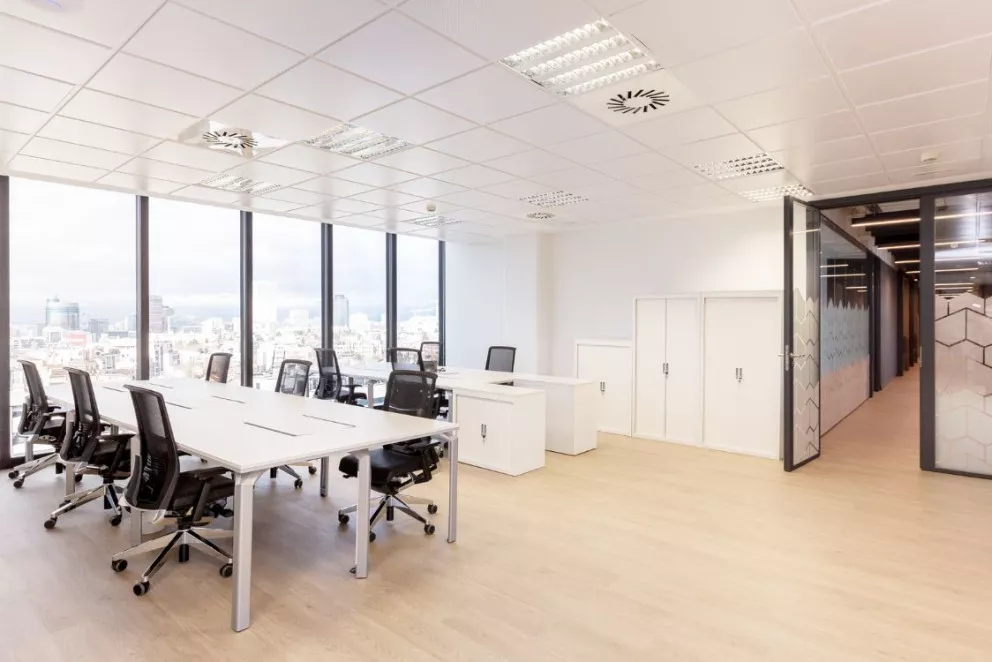
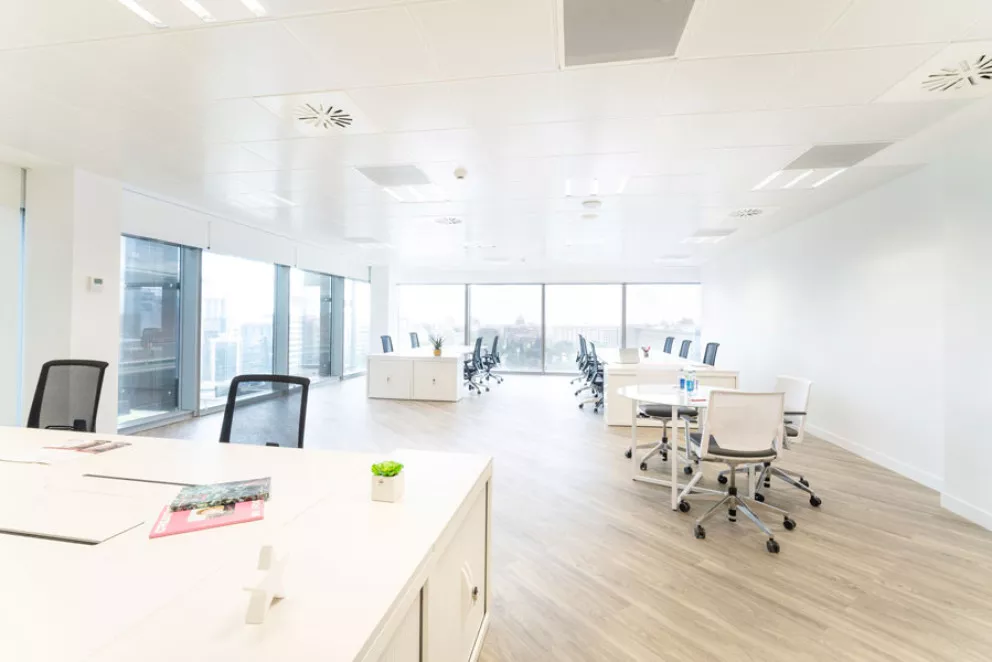
This means thinking of the office as a place with diverse spaces: shared work areas and breakout areas, rooms equipped for meetings and events, and private offices that adapt to each company’s needs.
Freedom to choose where and when to work
Autonomy is crucial. Employees and teams want to decide where and when they work best. This freedom has a direct impact on satisfaction and talent retention, according to multiple recent labour trend reports.
Given this market reality, this article from EjePrime states that coworking is gaining real potential and weight in Spain, especially in strategic sectors such as technology, where with a computer and a few workstations major projects can be delivered. Such is its growth that some expert forecasts point out that by 2030, 30% of workspaces will be demanded in a flexible format globally, compared to around 5% today.
Employee wellbeing as a priority
Nature in the office and spaces that care for health
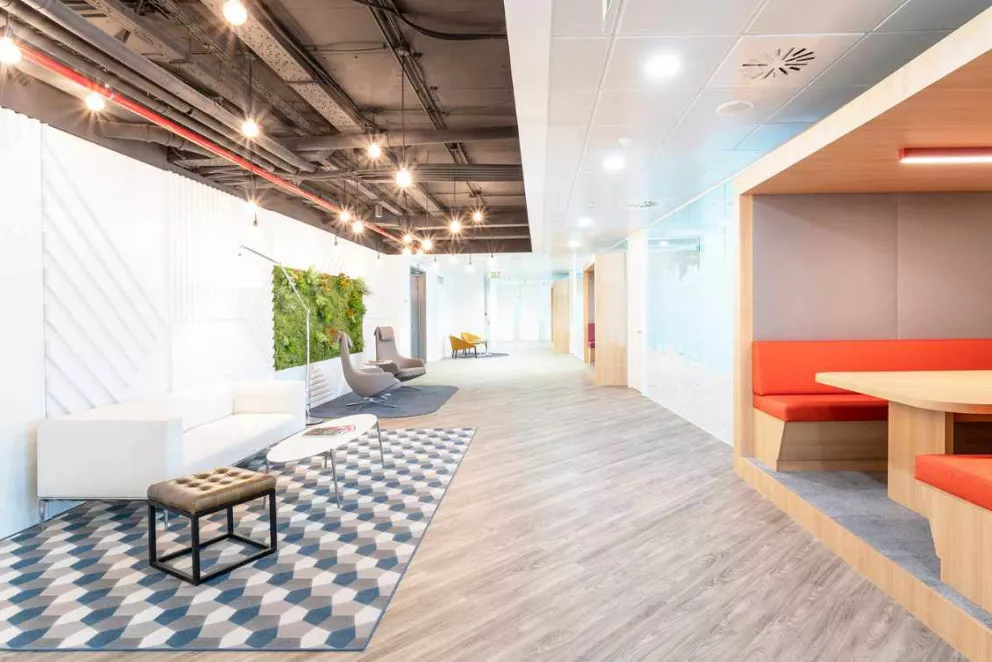
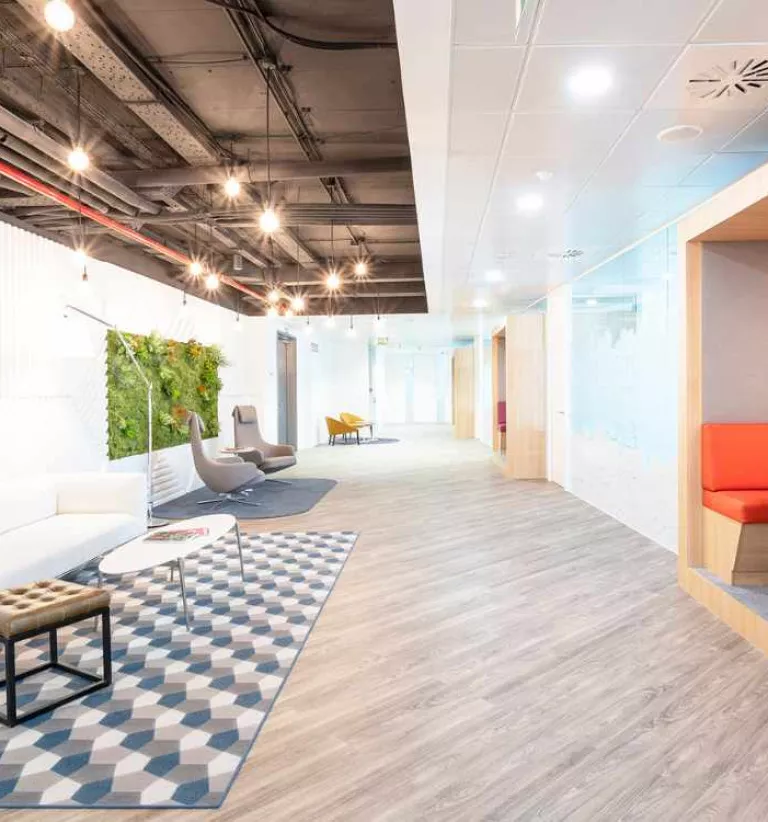
One of the clearest office decoration trends is the return to healthier environments: natural light, plants, warm materials and biophilic design that connects with nature. This not only makes spaces more pleasant, it also improves concentration and reduces stress.
Ergonomics and employee support
Ergonomic chairs, adjustable desks, carefully designed acoustics and adaptive lighting: these elements are no longer an “extra”, but essential to care for physical and mental health.
Community and collaboration in coworking spaces
Networking, events and a sense of belonging
Beyond the traditional office, coworking spaces have changed the way we understand work, putting the focus on community building. Themed events, shared coffees, networking meetups and wellness activities create connections that are often worth more than the physical space itself.
Common areas that inspire collaboration
Lounges, terraces, open kitchens and relaxation zones are part of the DNA of collaborative offices: places that encourage spontaneous encounters, fruitful conversations and shared creativity.
Technology integrated into offices: automation and tools for remote work
Today, technology is not just an extra; it is the heart of the modern office. From room booking systems to AI-driven automation, digitalisation is completely changing how we use workspaces. These smart tools not only improve operational efficiency, but also significantly enhance user satisfaction.
Sustainability and eco-friendly offices
Sustainable materials and waste reduction
Integrating recycled or low-impact materials, designing to reduce waste and implementing responsible consumption policies are fundamental in this year’s office decoration trends.
Energy efficiency and green certifications
Eco-friendly spaces not only care for the planet but also for the budget: LED lighting, smart climate control systems and green certifications such as WELL or BREEAM are increasingly common. Another rising trend is opting for buildings with certifications that guarantee sustainability standards, energy efficiency and indoor environmental quality.
Lexington has several LEED-certified spaces, reinforcing our commitment to sustainability and to offering healthy and efficient environments for team wellbeing. Among them:
- LEED Platinum at Lexington Castellana 79: one of the highest sustainability recognitions worldwide, accrediting excellence in energy efficiency, resource use and indoor environmental quality.
- LEED Gold at Lexington Diagonal 545: also standing out for its efficiency and responsible design.
- Our upcoming opening at Paseo de Gracia 56: will also hold a LEED Platinum certification, reflecting our ongoing commitment to eco-efficient environments.
Flexible offices: on-demand use and a network of satellite spaces
Finally, total flexibility. Companies are increasingly adopting models where space adjusts to real demand: satellite offices, networks of local spaces and options by the hour or day. This approach not only saves costs, it also improves quality of life by reducing commuting times and offering alternatives close to home or activity hubs.
Looking to the future of offices
Office trends for 2026 combine flexibility, wellbeing, technology and sustainability. It’s not just about adapting to the market: it’s about designing spaces where people can feel motivated, connected and productive.
“If our 40 years in this sector confirm anything, it’s that the offices that work best are those that put people at the centre”, summarises David Vega, CEO of Lexington.
At Lexington, we have spent decades supporting companies and professionals in transforming their workspaces, adapting our coworking and flexible office solutions to every need. If you would like to discover how our spaces can boost your team’s productivity, wellbeing and collaboration, contact us and request more information by filling in the following form: